But there’s another factor at play here: psychology. The ways in which your guests perceive, feel about, and remember their experience in your restaurant is just as important as the quality of the food and the attentiveness of your servers. By understanding psychology, you can create an experience that will not only meet your guests’ needs but exceed their expectations.
Every interaction, from the initial greeting to the overall ambiance of your restaurant, has an impact on the way in which your guests will interpret their experience. By understanding the psychology behind your guests’ dining experiences, you can go above and beyond merely providing good service. First Impressions The human brain forms impressions quickly, often within seconds. While this idea is most often applied to job interviews and other interpersonal interactions, it’s also relevant in a restaurant setting.
The impression your servers make in those initial moments of interaction will influence the way your guests expect to be treated throughout their meal. It will also influence the emotions they experience during their initial interactions. If your guests feel welcome, acknowledged, and organized at the outset of their meal, they will be more likely to feel that way throughout their experience.
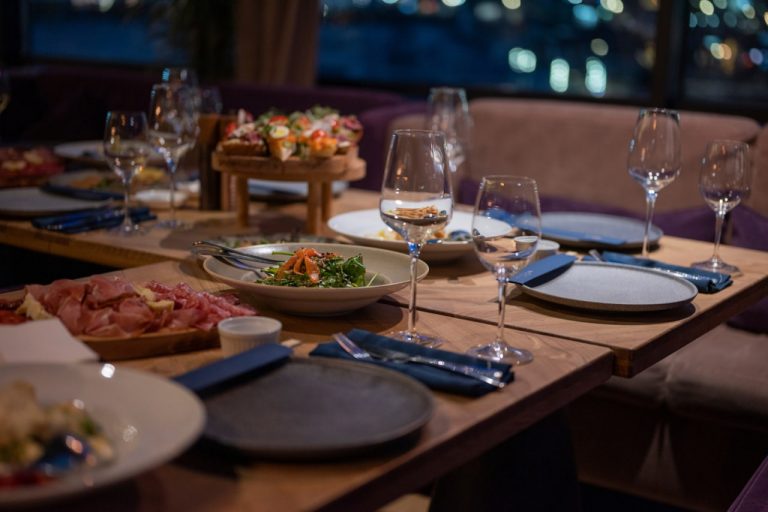
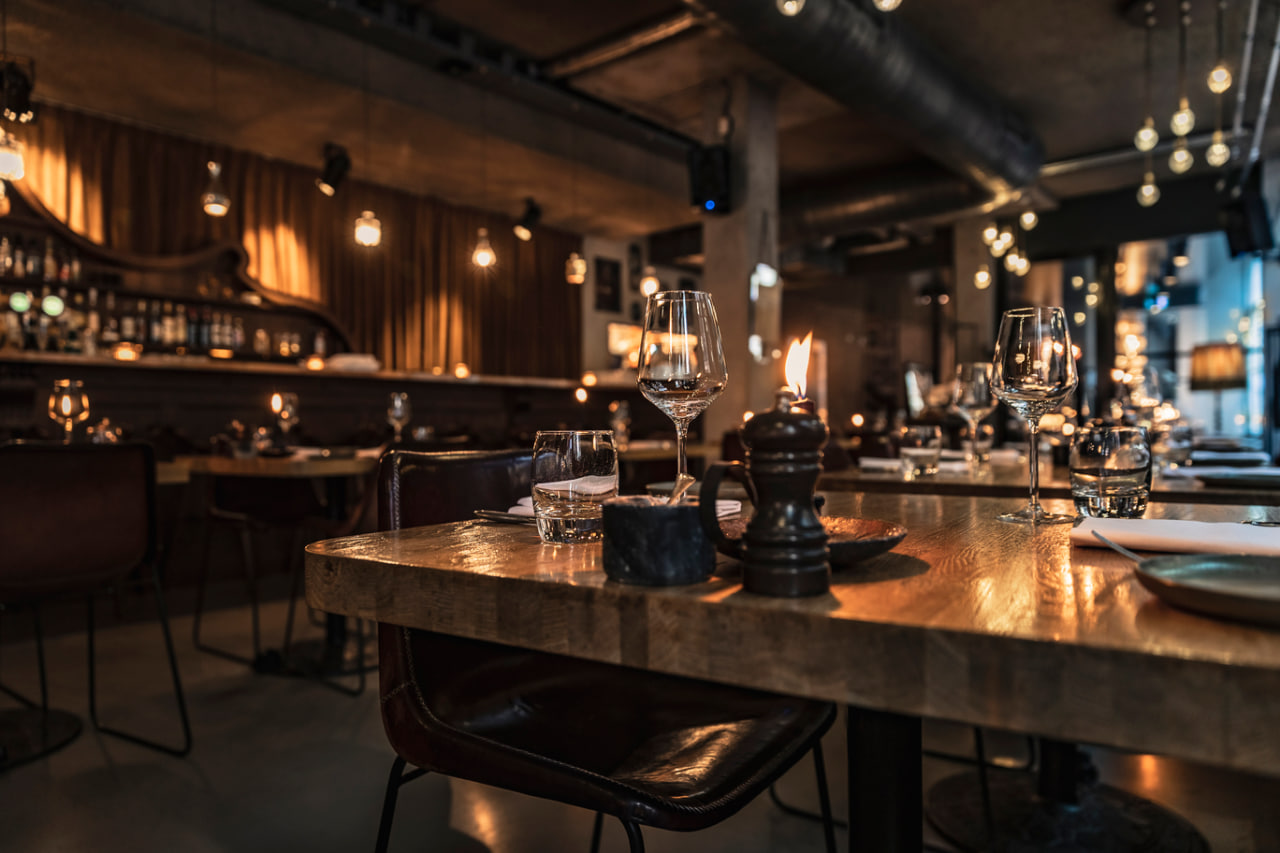
On the other hand, if they experience something negative at the outset, they will be more likely to feel that way throughout their experience, as well. Essentially, the emotional state your guests experience in the first few moments of their interaction with your servers will set the tone for the rest of their experience. That makes first impressions incredibly important! Atmosphere and Environment The overall environment of your restaurant has a significant psychological impact on your guests. The lighting, the music, the seating, and even the decor all contribute to their moods and perceptions of your restaurant.
For example, softer lighting and more comfortable seating will help your guests relax and enjoy their experience more. Brighter lighting and upbeat music, on the other hand, will make them more likely to hurry through their meal and leave. Even the seemingly minor aspects of your environment, such as the temperature and noise level, can influence your guests’ levels of comfort and satisfaction. Your restaurant’s environment should match its concept and theme. When these elements align with your guests’ expectations, they will enhance the overall experience and make it more cohesive.
Perception of Time and Waiting There’s no way to avoid waiting in a restaurant. However, there are ways to make your guests feel better about it. Interestingly, it’s not the amount of time your guests wait that matters so much as their perception of that wait time. When your guests feel like you’re paying attention to them and keeping them informed, they will be more patient as they wait. This might mean providing them with updates about the status of their table, giving them menus to look over while they wait, or simply making the waiting area more enjoyable. The less certain people are about the length of time they will wait, the more frustrating the experience will be for them.
By keeping your guests informed, you can minimize their frustration and make the experience better for them. Personalization When your guests feel like you’re paying attention to them and personalizing their experience, they will appreciate it. People like to feel important, and when you can make them feel special, they will respond positively to your restaurant. This might be as simple as greeting repeat customers and calling them by name, or adjusting your recommendations based on their preferences and tastes.
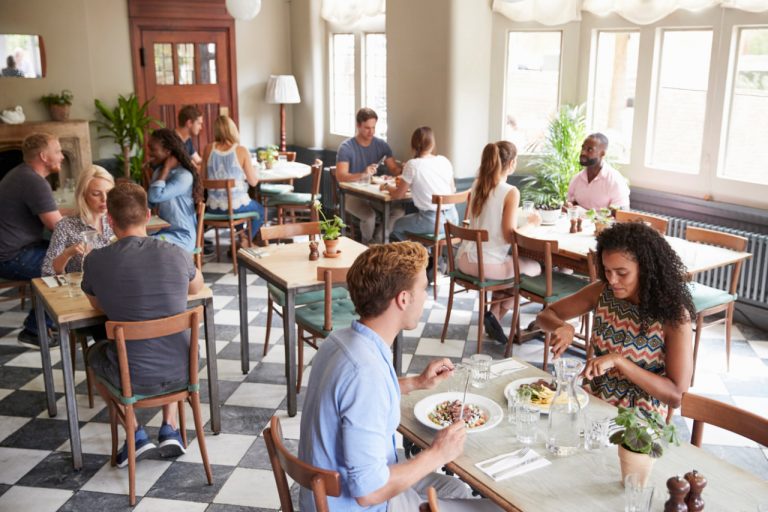
Even small touches, like addressing your guests politely and adjusting your suggestions based on their interests, can make a big difference in the way they respond to your restaurant. Social Influence and Group Dynamics We eat with others. The actions of one diner will influence the experience of another. People learn from each other. When one person says that everything is fine, others will think the same way. When one person shows that they are not satisfied, others will be influenced by it. Understanding group dynamics helps to manage the interaction between people in the dining area to create a better environment. The Impact of Service Behavior The attitude of servers has a direct psychological impact on the guests. Being friendly, willing to serve, and professional all contribute to a better experience.
People will appreciate friendly and natural smiles, listening, and a respectful attitude. Consistency in service all the way through will create a better impression of the restaurant. Memory and the Peak-End Rule We do not remember every detail of what happens to us. What we remember are the highlights. One of the psychological rules is that people remember the peak and the end of an experience. In a restaurant setting, this means the highest peak, perhaps a great service or a terrific dish, will influence our memory. The last impression, the way we were treated when we leave, will have a great impact on us.
The Role of Expectations Our expectations will influence how we perceive our experience. If our expectations are fulfilled, we will be happy. If they are not fulfilled, even the smallest imperfection will be amplified. Our expectations are shaped by the price, the brand image, reviews, previous experiences, etc. When we go to a fine dining restaurant, we expect more than we expect in a casual diner. Understand and manage expectations to avoid over and under promise.
Emotional Contagion in Service Interactions Our emotions are contagious. The emotions of servers will influence the emotion of guests. If servers create an excited and happy environment, we will feel the same way. But, if servers are upset or angry, we will feel the same way as well. Excitement, calmness, and friendliness are the critical elements of a server’s attitude. Even during a busy shift, servers need to maintain these attitudes to provide a consistent experience. The emotional interaction between servers and guests indicates the importance of server well-being.
Building Loyalty Through Psychological Connection We do not create loyalty with the taste and price of food. We create loyalty through a psychological connection. When guests feel that we understand, respect, and appreciate them, they will come back again. Consistency, attention to detail, and a natural attitude will create a psychological connection. Repetition of the positive experience will create a level of trust and make guests feel comfortable. Loyal guests will become evangelists for the restaurant and contribute to the long-term success of the business.